THE ROOMS ART & DESIGN FAIR 2026
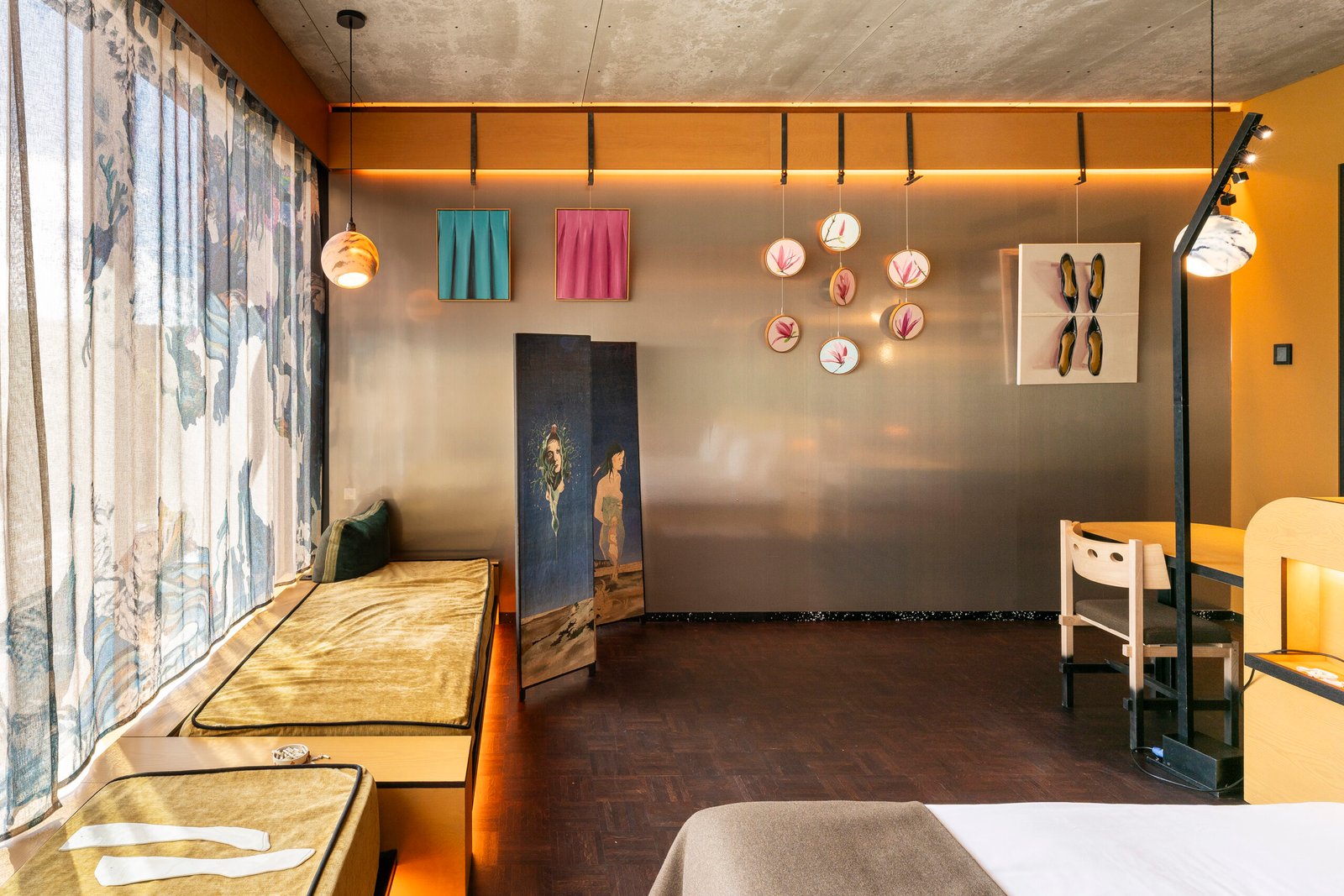
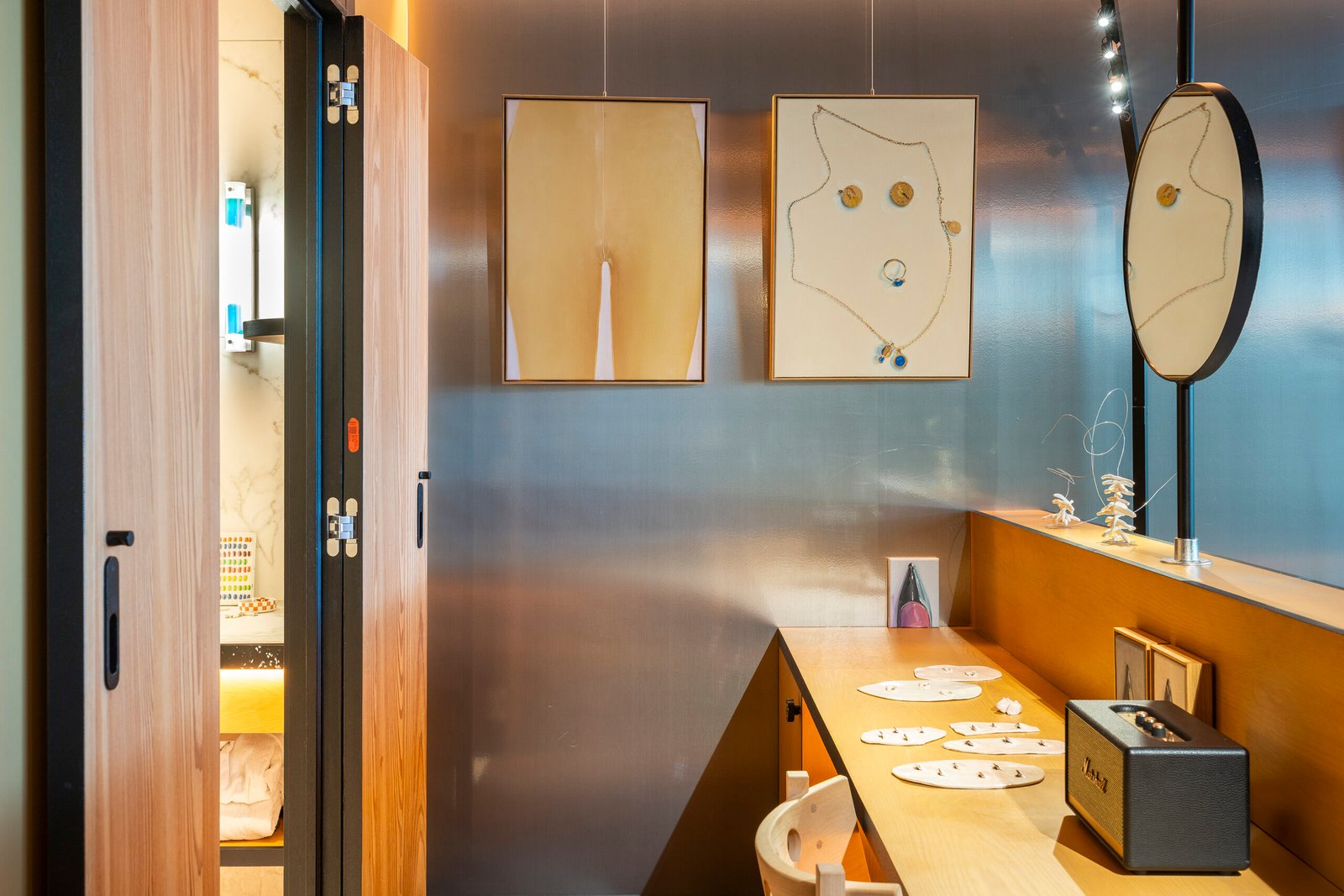
Virginie Devillez Fine Art presents at The Rooms – Art & Design Fair (Mix, Brussels), a selection foregrounding the concept of intimacy inherent to a bedroom. Upon entering a collector’s interior, this type of room invariably reveals more evocative works — sometimes erotic, at other times provocative, or marked by nudity.
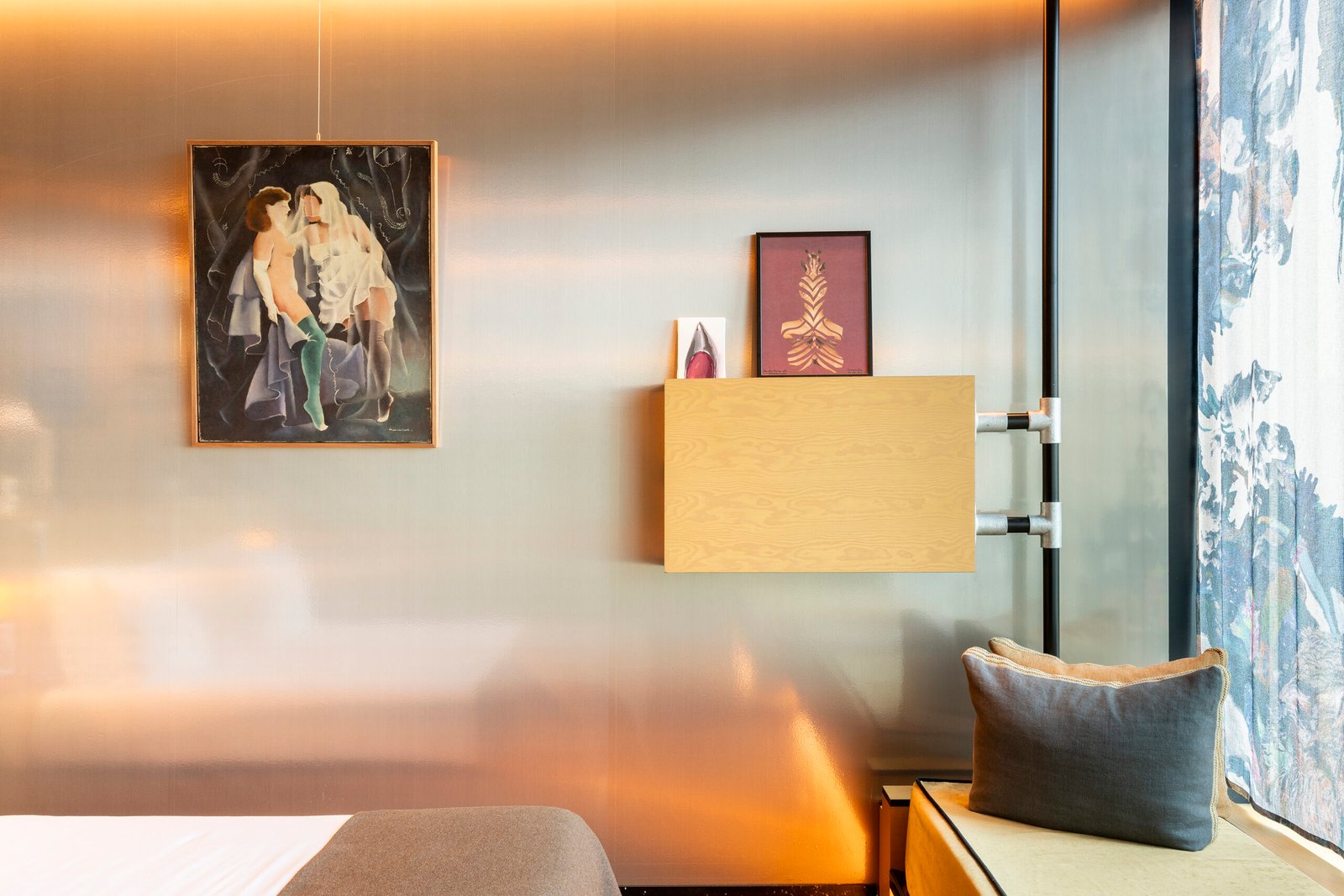
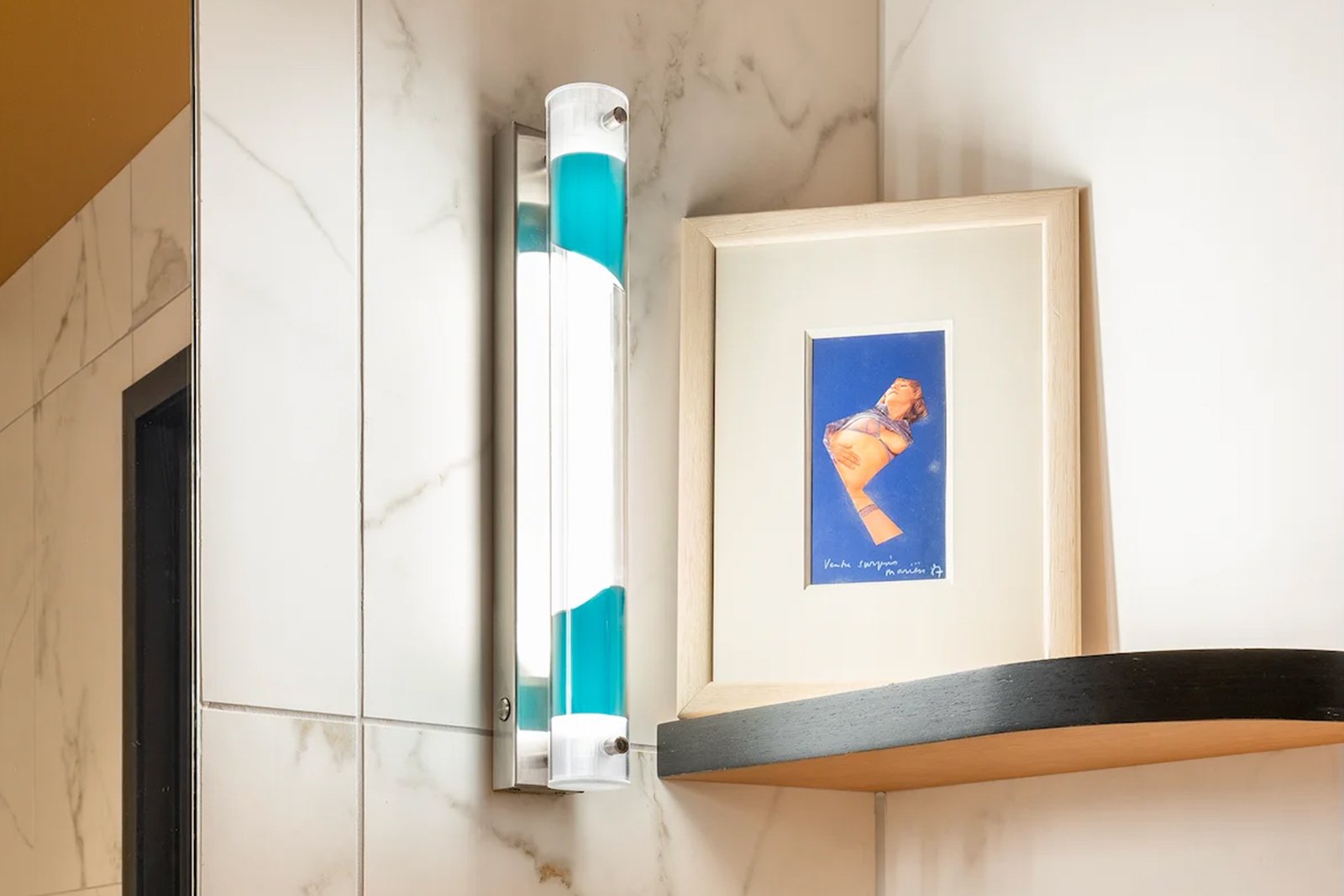
Our room at the Mix Hotel engages with this cliché by presenting a series of pornographic collages by the Surrealist Marcel Mariën (1920–1993). Often characterized by unabashed eroticism, his works seek to challenge prevailing notions of aesthetics and morality. However, this series also reveals the Surrealists’ reluctance to engage with real women, favouring instead the image of women shaped by their imagination — whether idealised, fantasised, or sexualised.
A rare group of works by the French painter Jean Marembert (1900–1968) also reflects this phantasmagoric vision of the female figure. In the early 1930s, this self-taught artist met Henri-Pierre Roché — author of Jules et Jim, a friend of Marcel Duchamp and Constantin Brancusi, as well as an art dealer and collector — who subsequently took him under contract. This period corresponds to a shift in Marembert’s work towards a oneiric aesthetic, aligned with the principles of transhylism, a movement on the margins of Surrealism. As with Paul Delvaux, Marembert places the female figure at the centre of his iconography, where she embodies the eternal Eve of a universe filled with strange and enigmatic colours, and gives form to his dreams and fantasies.
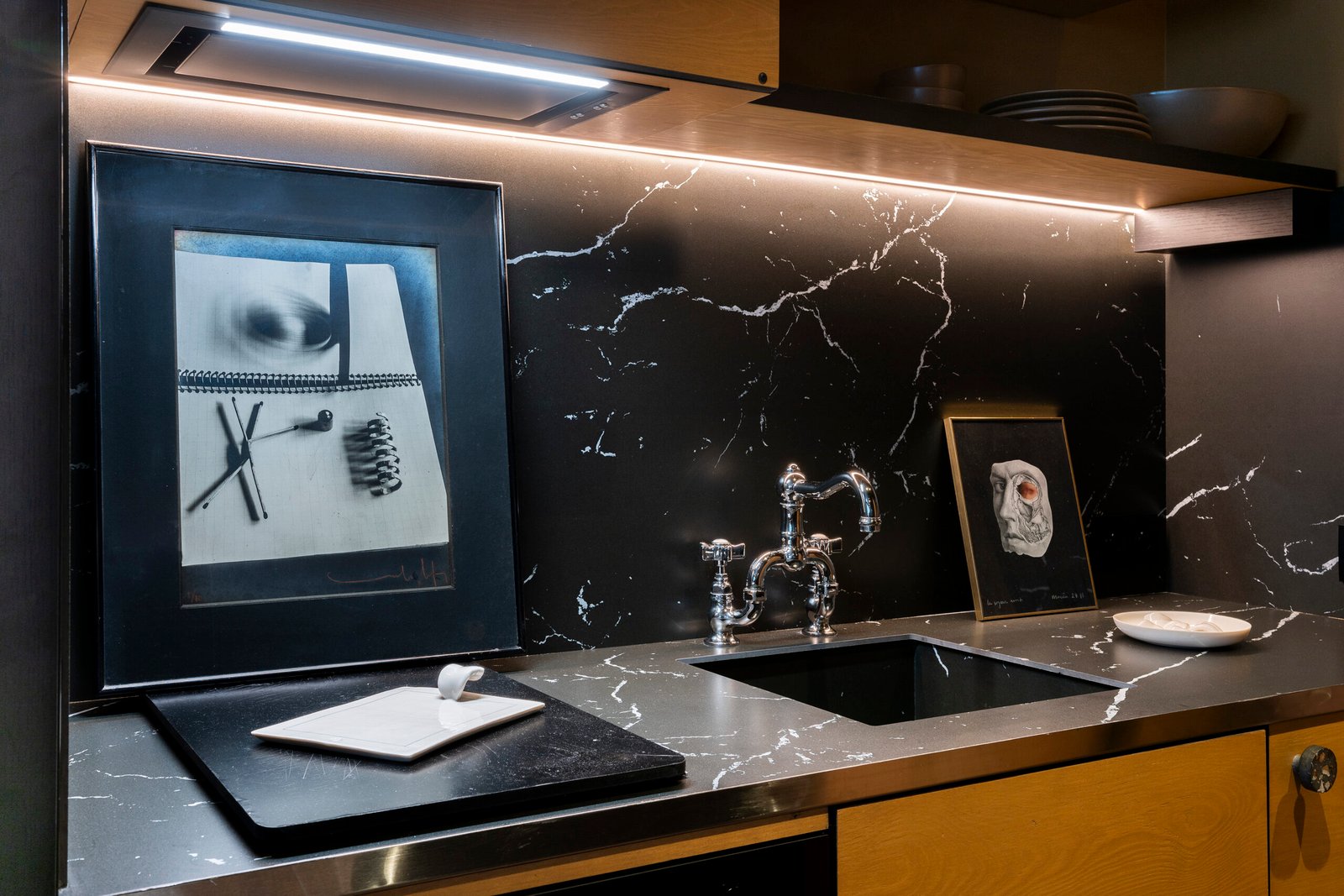
This exploration of the female body is echoed in the photographs of Marembert’s Belgian friend, Carlos Spriet (1923–2003), an anarchist with a military career. He also experimented with photomontage, using his wife as a model in improvised sessions in their spare time. These works also evoke the practice of Marcel-G. Lefrancq (1916–1974), the Surrealist photographer-collagist, whose compositions rely on a preliminary arrangement of objects, as in Paranoïa de la spirale, an important work from 1938.
For the Surrealists, a woman was long perceived as a muse, without being truly encouraged in her own creative pursuits: she was “allowed” but not “necessary”, according to Ithell Colquhoun; or, in Dorothea Tanning’s words, a woman’s place in Surrealism was no different from her place “in bourgeois society in general” — while also subject to sexualisation. The work of Charlotte Beaudry (1968), a self-taught artist, offers a counterpoint to this masculine perspective while questioning the relationship between femininity and its representation, confronting her intimate experience with a broader social reality.
Driven by a raw energy, tinged with impertinence and playfulness, Charlotte Beaudry explores a visual and affective repertoire drawn from post-punk culture, gender studies, and eroticism. Moving between small formats — suited to the refinement of detail — and more monumental canvases characterised by striking shifts in scale, she plays with the seductiveness of images to construct a subtle yet unflinching portrait of contemporary femininity.
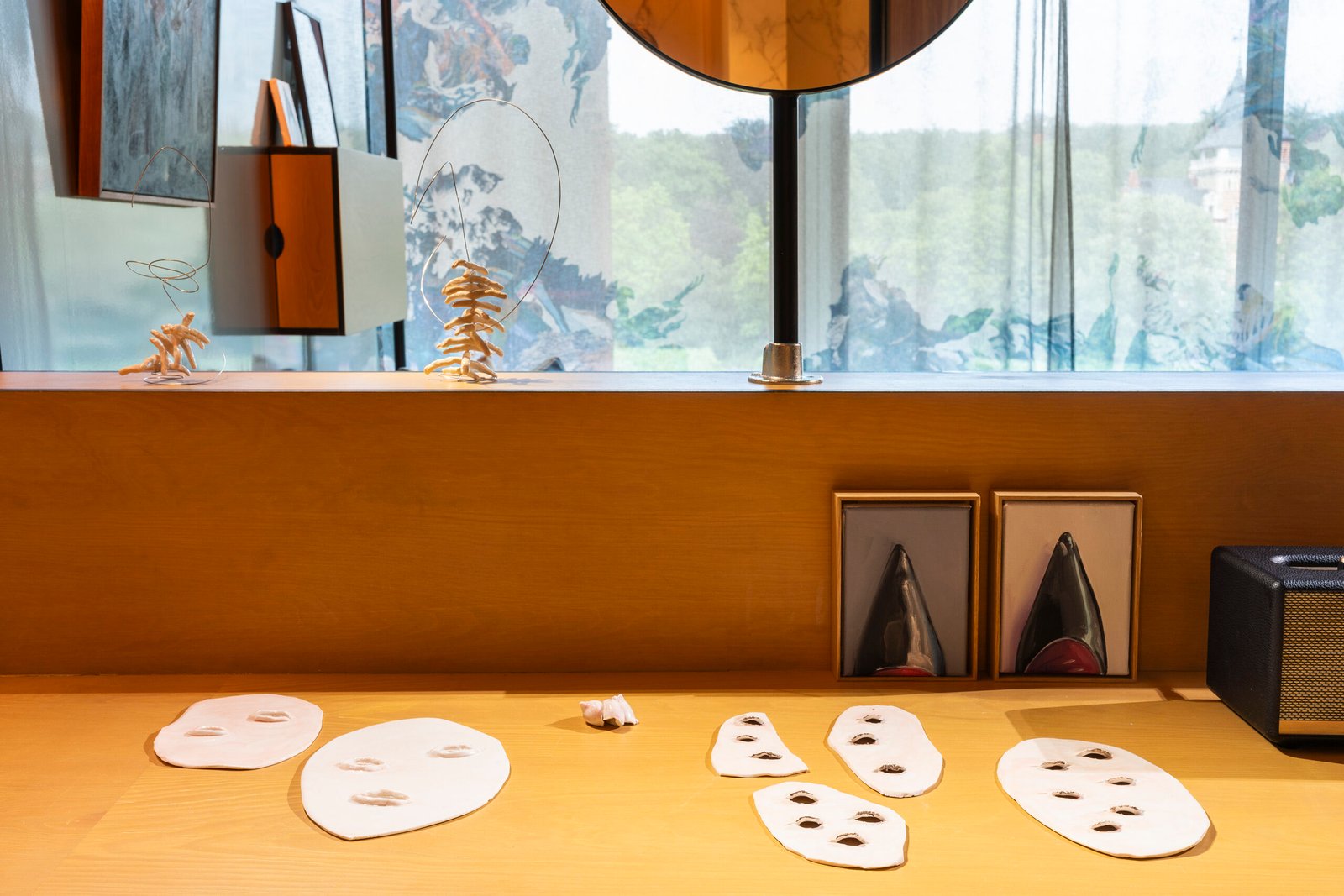
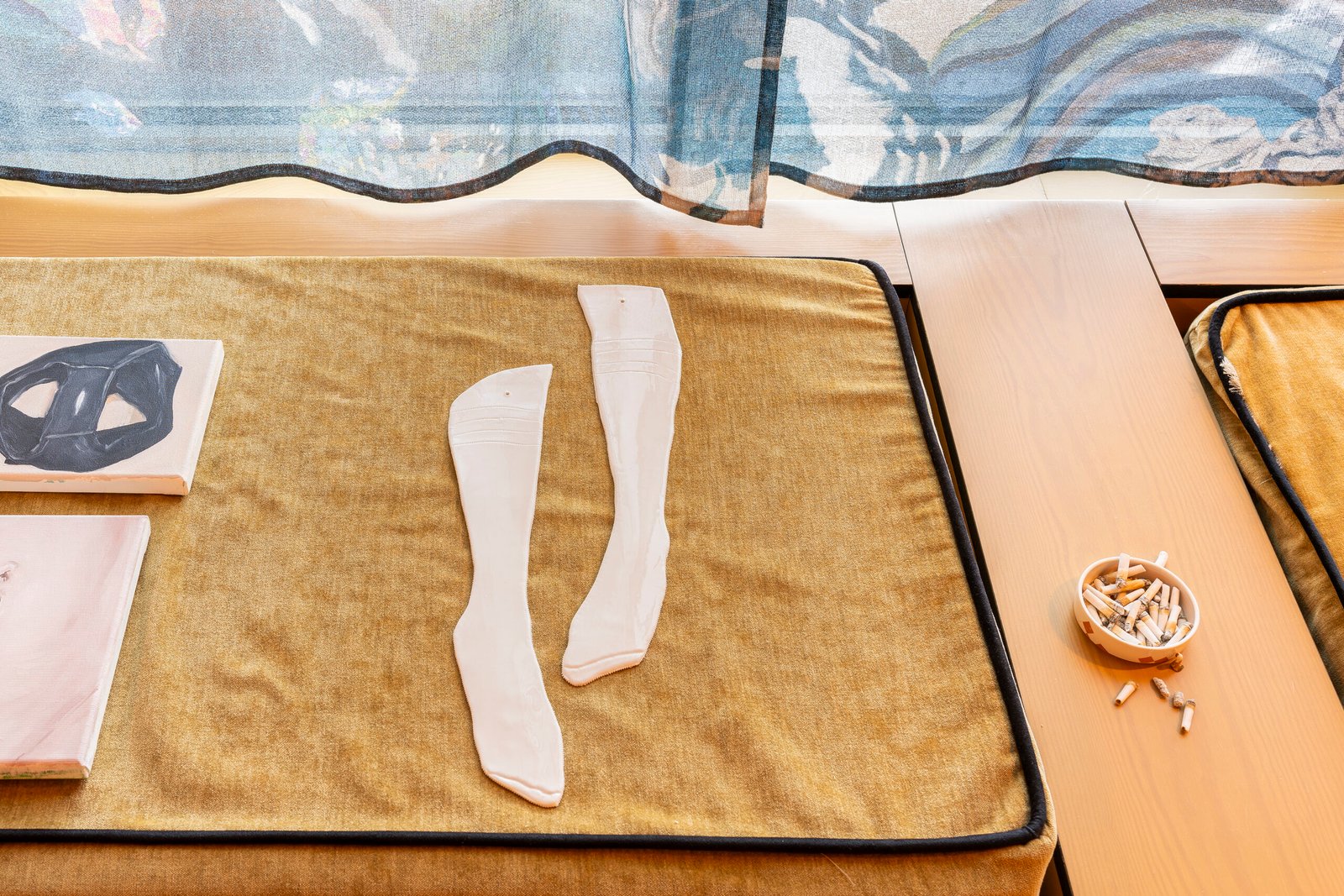
Charlotte Beaudry’s paintings shown at The Rooms subtly engage with the intimacy of the bedroom through depictions of garments and undergarments, shoes, anatomical fragments, and portraits composed of jewellery. A series of ceramics subtly revealing eyes, mouths, or nipples also offers a feminine counterpoint to the historical works of the Surrealists.